Macro Moves and Micro Meaning
The monarch butterfly migration. One more candle on the cake. A new ring in the trunk of a tree. Every year brings its constants.
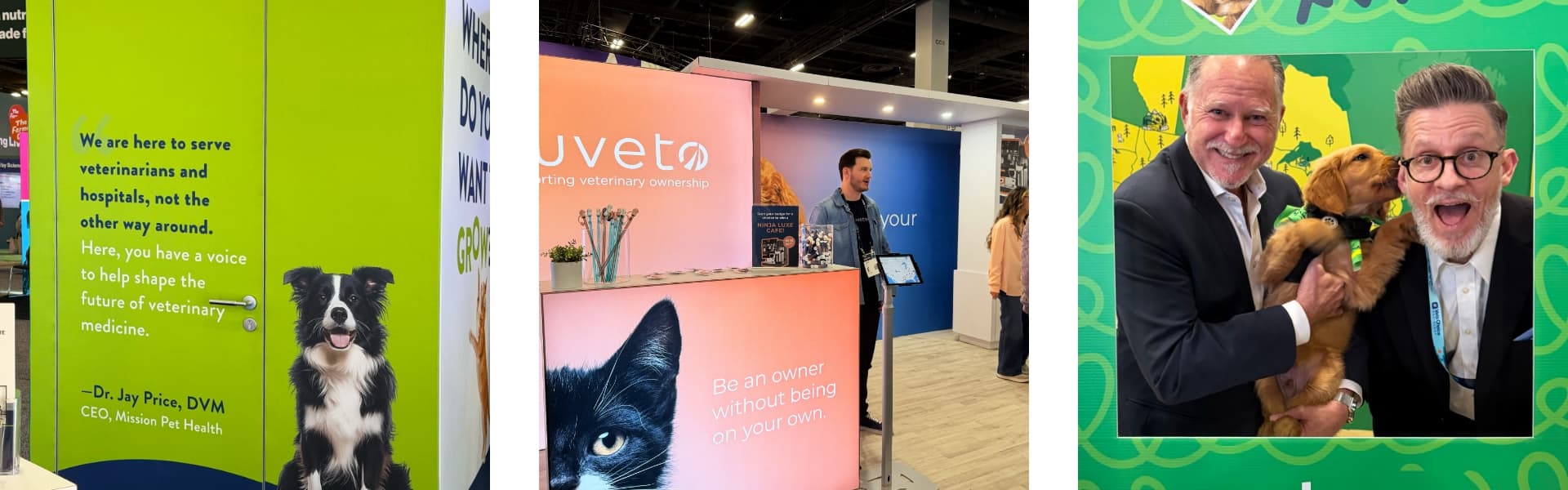
In animal health, two of those constants are VMX and WVC: the industry’s back-to-back gatherings that kick off the year in Orlando and Las Vegas.
Now that the dust has settled, it’s worth asking: Where does the industry stand? And where is it headed?
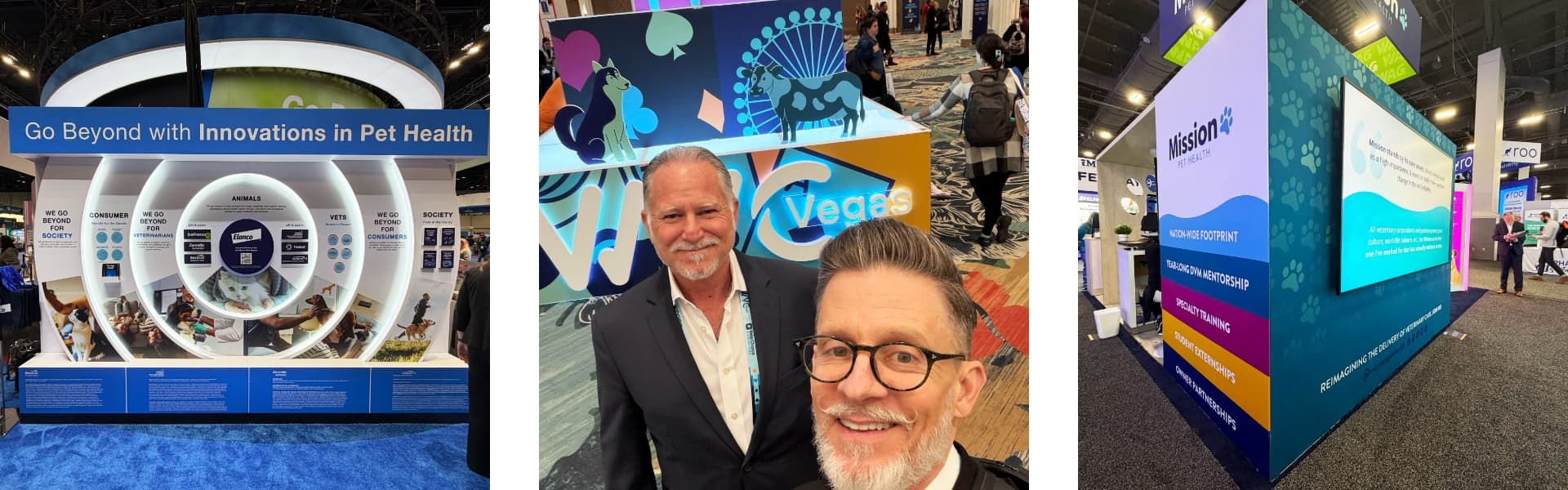
As Schaefer re-engages in animal health, we circled both meetings in red. Not just to attend, but to listen. To reconnect. To contribute. And we were honored to partner with Brakke Consulting to present “Tails of Talent” sessions at both conferences, exploring the intersection of brand and recruitment.
Across both shows, one thing was clear: this industry is in motion.
Here are three takeaways through the lens of a team bringing fresh, cross-industry perspective to the category.
1. Consolidation: Super Size or Supernova?
Consolidation continues to reshape animal health. Practices are being acquired at scale, and while valuation multiples have cooled from their peak, the momentum toward operational and promotional efficiency remains strong.
The bigger question is what that scale is designed to do.
Animal health holds a structural advantage over human healthcare. Without the same third-party payer pressures, the system has more freedom to rethink care delivery around what’s best for the pet parent. In the right hands, consolidation can unlock service innovation, smarter operations, and a more seamless client experience.
I was particularly struck by Dr. Audrey Wystrach of Petfolk during a panel discussion. Her deliberately disruptive philosophy shows how scale can multiply the good — using size not just for margin, but for meaningful improvement.
But there’s another possible path.
If consolidation becomes primarily a financial play, and the race is for footprint and short-term return, the industry risks diluting the very relationships that fuel it. When “who has the most toys” becomes the strategy, brands lose distinctiveness. And in a category built on trust, that’s dangerous.
This isn’t binary. It’s a tension.
Consolidation is a natural market evolution. The brands that win won’t simply get bigger. They’ll get clearer. Clearer on purpose. Clearer on experience. Clearer on the value they uniquely bring.
How do you see this consolidation frenzy playing out? How is your brand positioned to win in the midst of an ever shifting landscape?
2. Innovation and Growth: Will Pet Parents Support It?
One of the most compelling insights from Brakke’s State of the Industry session was the paradox at play:
- Continued upstream innovation
- A fourth consecutive year of declining clinic visits
- Price increases running nearly twice the rate of inflation
Diagnostics and parasiticides are advancing. New technologies are entering the market. And yet, wellness visits are slipping.
At the same time, the broader macro narrative is dominated by affordability concerns. Consumer confidence is soft. Layoffs make headlines. “Value” is under scrutiny across categories.
Something has to reconcile.
Innovation is essential, but innovation alone isn’t enough. It must be paired with a compelling value proposition that pet parents understand and believe in.
We know strong brands command disproportionate economic return. They justify premium pricing. They weather downturns better. They build trust before a purchase decision is ever made.
Animal health will continue to innovate — it must. But reversing declining visits may require service model innovation just as much as product innovation.
Even in a soft economy, pet parents invest in what they trust. The brands that clearly articulate their differentiated value ,and deliver on it, will earn that investment.
If you were at VMX or WVC, what innovations did you see that were truly differentiating? If you’re not in animal health, where do you see innovation worth paying a premium for?
3. Brand Matters: Tails of Talent
Our “Tails of Talent” sessions with Jeff Santosuosso landed at the right moment.
While the acute labor shortage may be easing, the talent gap remains real. This is especially true for mid-sized organizations competing against larger, consolidated players.
Recruitment isn’t just an HR function. It’s a brand function.
We shared practical tools to help companies strengthen clarity, consistency, and credibility across touchpoints. That’s because candidates evaluate employers the same way consumers evaluate brands.
And this extends beyond clinical roles.
Manufacturers need scientific innovators. Growing platforms need operational leaders. The industry needs fresh thinking from outside its traditional talent pools.
The question isn’t simply, “Are you hiring?”
It’s: Does your brand make the right people want to join? And do they want to stay?
How does your brand enhance your recruitment efforts? Are you aligned across all touchpoints so you draw the best candidates and keep them engaged long-term as contributing colleagues?
Final Thought: Macro Moves, Human Meaning
The macro forces shaping animal health — consolidation, innovation, labor shifts — are powerful.
But they’re driven by something deeply human.
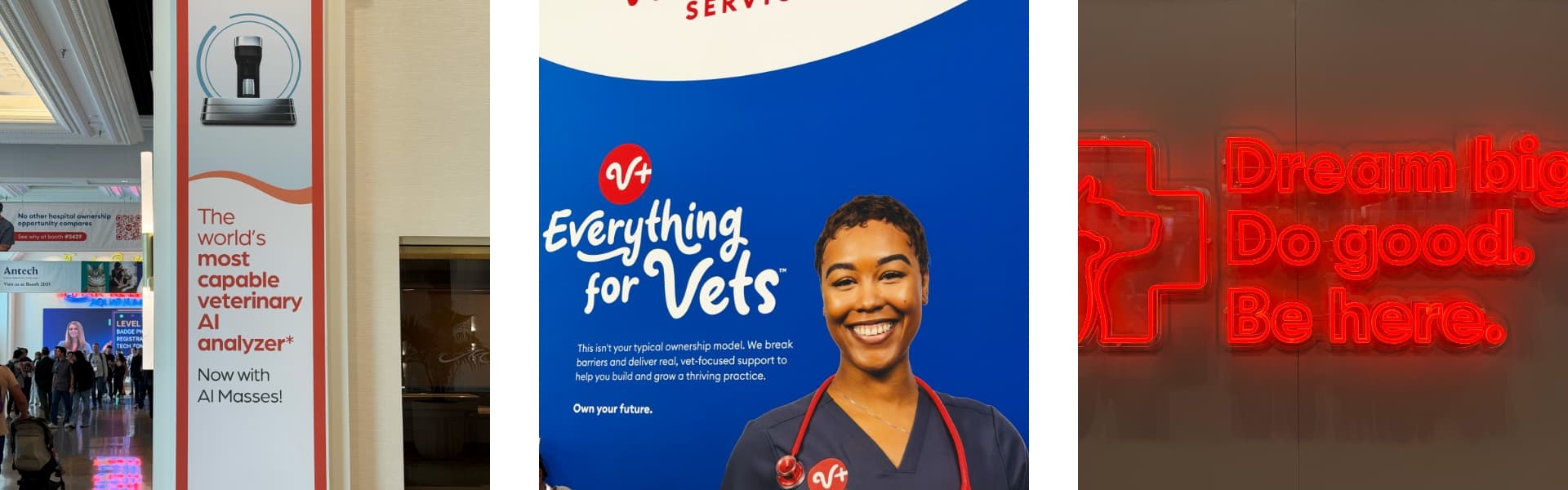
VMX and WVC matter not just for the content, but for the connections. The hallway debates. The rekindled relationships. The shared belief that caring for animals is both business and calling.
At Schaefer, we’re not healthcare specialists. We’re human specialists. We exist to tap into the emotional resonance that connects people to ideas, to brands, and to each other. Because that’s what ultimately drives growth.
Bottom line: even in an industry defined by macro moves, it’s the micro meaning that matters most.
If you’re looking to sharpen your brand’s position in this evolving landscape, I’d love to compare notes. Drop me a line.