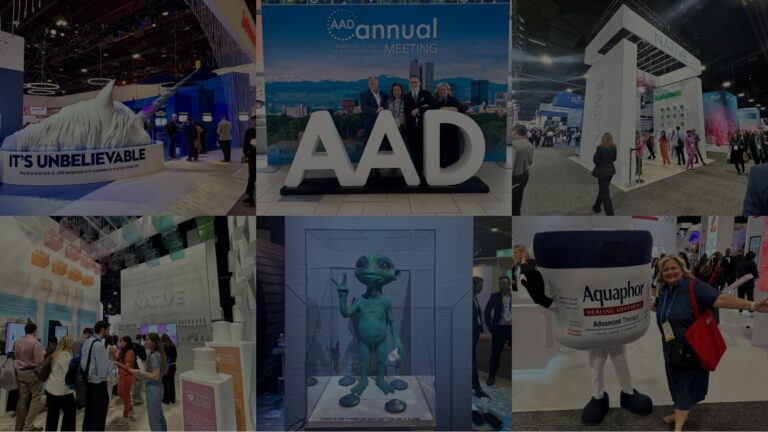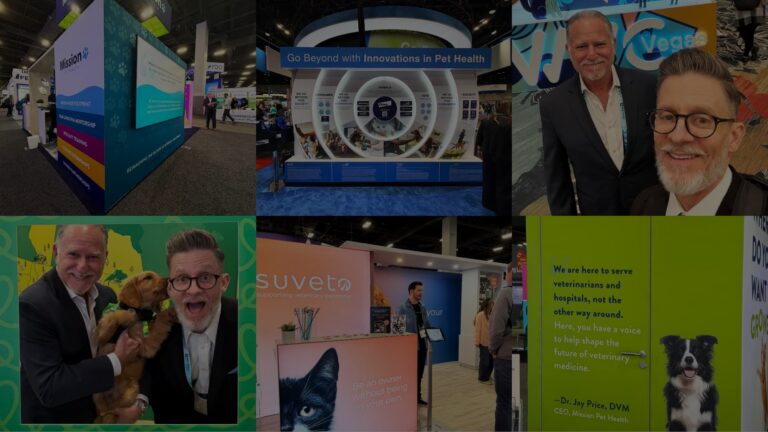
My colleague Michele Evans and I spent last week at ASCRS — from Sight Lines through the exhibit hall — listening closely to where ophthalmology is headed.
What we heard wasn’t a single narrative. It was a set of tensions. Signals that, taken together, point to a market evolving quickly , if not always smoothly. Trade shows don’t create conditions. They expose them.
Three signals stood out.
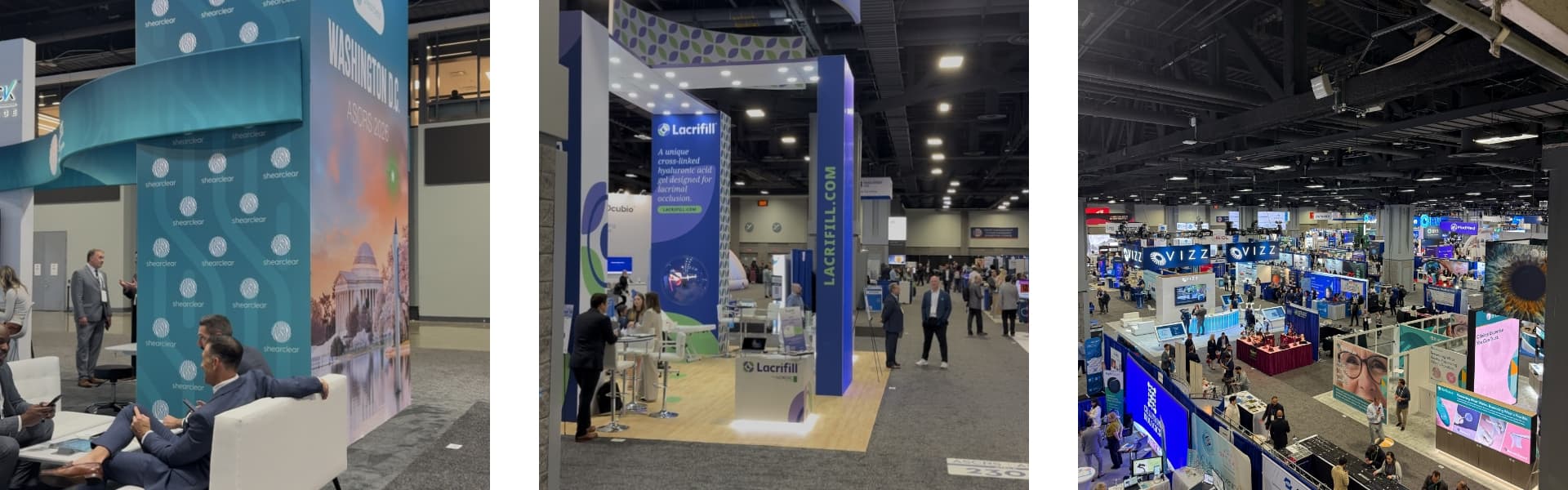
1. Innovation or Access? What Road Are You Traveling?
Ophthalmology is pulling in two directions at once.
Capital, attention, and long-term innovation are increasingly focused on the back of the eye. Thanks to innovations in retina, rare disease, and vision-saving therapies aimed not just at slowing decline, but rescuing function. At the same time, the bulk of commercial activity remains rooted in the front of the eye, where glaucoma, cataract, and dry eye continue to drive day-to-day practice.
Layer onto that a volatile policy environment. FDA disruption, shifting regulatory expectations, and persistent reimbursement pressure (especially in cataract) are forcing harder conversations across the industry. The phrase “silent rationing” surfaced more than once at Sight Lines: the concern that declining Medicare payments will quietly reduce access to a procedure that is, for millions of patients, genuinely life-changing.
None of this slows innovation. But it does complicate the path from discovery to adoption.
It reinforces something we see every day at Schaefer: breakthrough science alone isn’t enough. For innovation to move, it has to work clinically, fit into real-world workflows, and make economic sense for the practice, the patient, and the payer.
Where does your brand fit in this divide — and does your positioning hold up under that kind of pressure?
2. What Do All These Events Deliver?
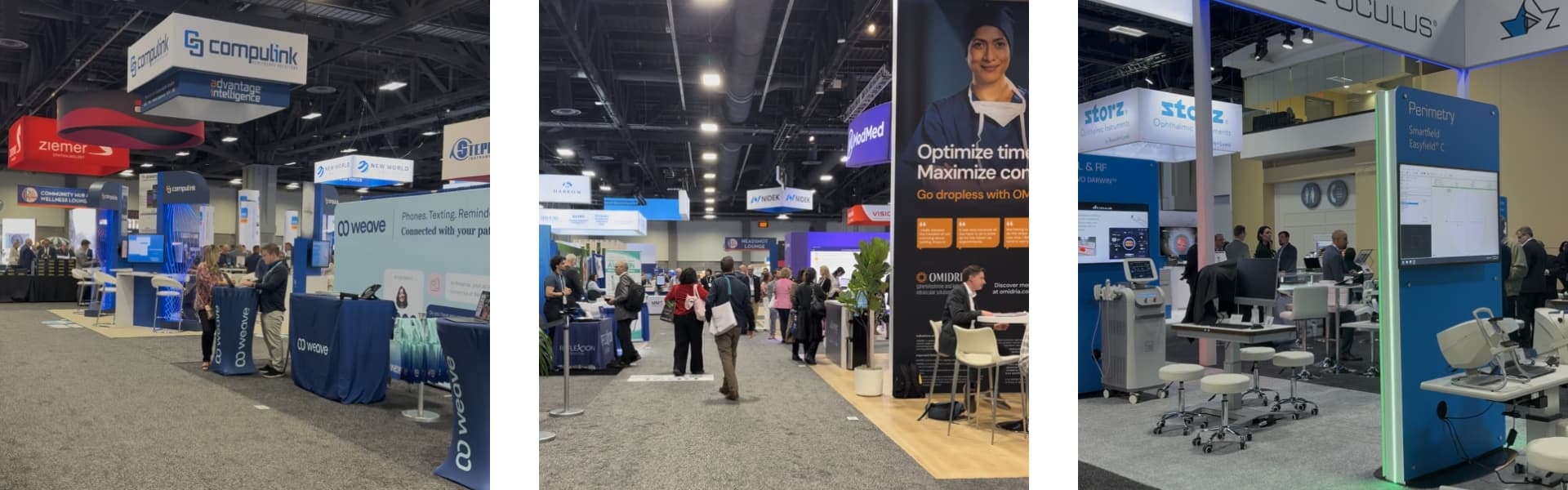
The exhibit floor felt different this year. Traffic was lighter. Conversations were more focused. Michele and I both noticed it — a sense that every interaction needed to count.
That’s not a knock on ASCRS. These meetings remain essential. They’re where ideas are exchanged, partnerships are formed, and the industry moves forward together.
But the economics are changing. In a more volatile market, with tighter scrutiny on every line of spending, it’s fair to ask what a months-long cadence of events is actually delivering. And, not just in visibility, but in impact.
More CFOs are asking that question. More should be.
Because presence alone isn’t the goal. The real measure is whether an investment translates into changed behavior. Does it help a surgeon adopt, a practice integrate, or a referral pattern shift? That’s a higher bar. And an important one.
A booth is a moment. A brand story has to be bigger than the moment. It has to be strong enough to hold up in a hallway, across a peer conversation, in a five-minute window with a surgeon who’s already seen several reps that day.
If you stripped away the booth, what would remain — and would it be enough?
3. Is It Time To Draw a Better Map to El Dorado?
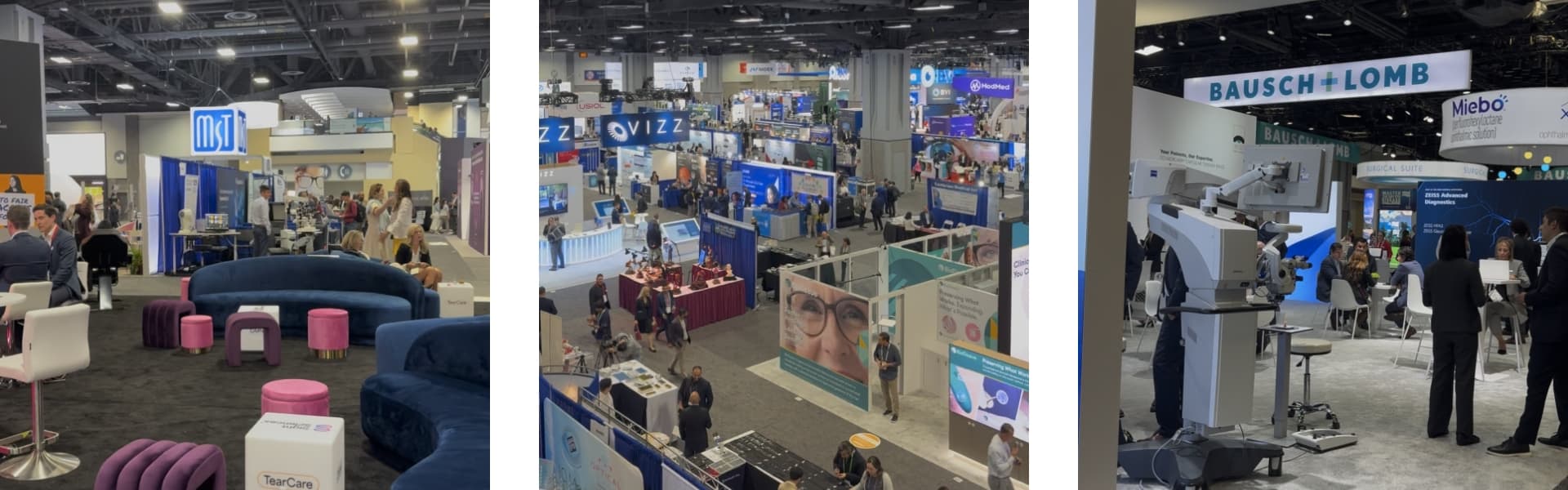
If there was a dominant theme across sessions and booths, it was intervention.
Glaucoma procedures — MIGS, outflow innovation, and beyond — are drawing enormous attention. The category has been building for years, and the momentum is unmistakable. So is the crowd.
El Dorado was the fabled city of gold that consumed expedition after expedition. The problem wasn’t that it didn’t exist. It was that everyone was searching in the same place, with the same map. Crowded categories do this to brand strategy: they compress differentiation, flatten messaging, and leave surgeons with noise instead of signal.
The question now isn’t whether the opportunity is real. It’s whether the signal is getting through. Are surgeons changing how they practice? Are referring ODs aligned on when to intervene? Is the value proposition clear in the context of workflow and economics?
The opportunity isn’t to shout louder. It’s to draw a better map. It’s to get clearer about which surgeon you’re actually talking to, what their clinical decision looks like in the moment, and what your product makes possible that changes how they practice.
In eye care, the breakthrough isn’t just the procedure. It’s getting the right patient to it at the right time — and making that decision easy for everyone involved.
In a category this crowded, what’s the one thing your brand can say that no one else can?
The Through-Line
Across all three signals, something consistent emerges.
The constraint in eye care isn’t innovation. It’s translation.
The brands that move the market forward will be the ones that connect clinical value to real-world use. After all, brands most effectively navigating reimbursement, fitting into workflow, and activating the referral ecosystem are the ones who are most likely to enable ECPs to deliver patient care. That’s where adoption happens. And increasingly, that’s where the work begins.
ASCRS 2026 offered a lot of lines of sight. The challenge, as always, is knowing which ones to follow.What did you take away from ASCRS this year? I’d welcome the conversation.