Schaefer Advertising Co.

Dermatology

Situation

Cetaphil introduced a groundbreaking new product, SKIN ACTIVATOR Hydrating & Firming Cream, designed to address crepey skin with a proprietary blend of Centella Asiatica and Mandelic Acid. Our challenge was to create an engaging, educational campaign targeting healthcare providers (HCPs) to drive awareness and consideration of the product over alternative treatments like lasers or microneedling.
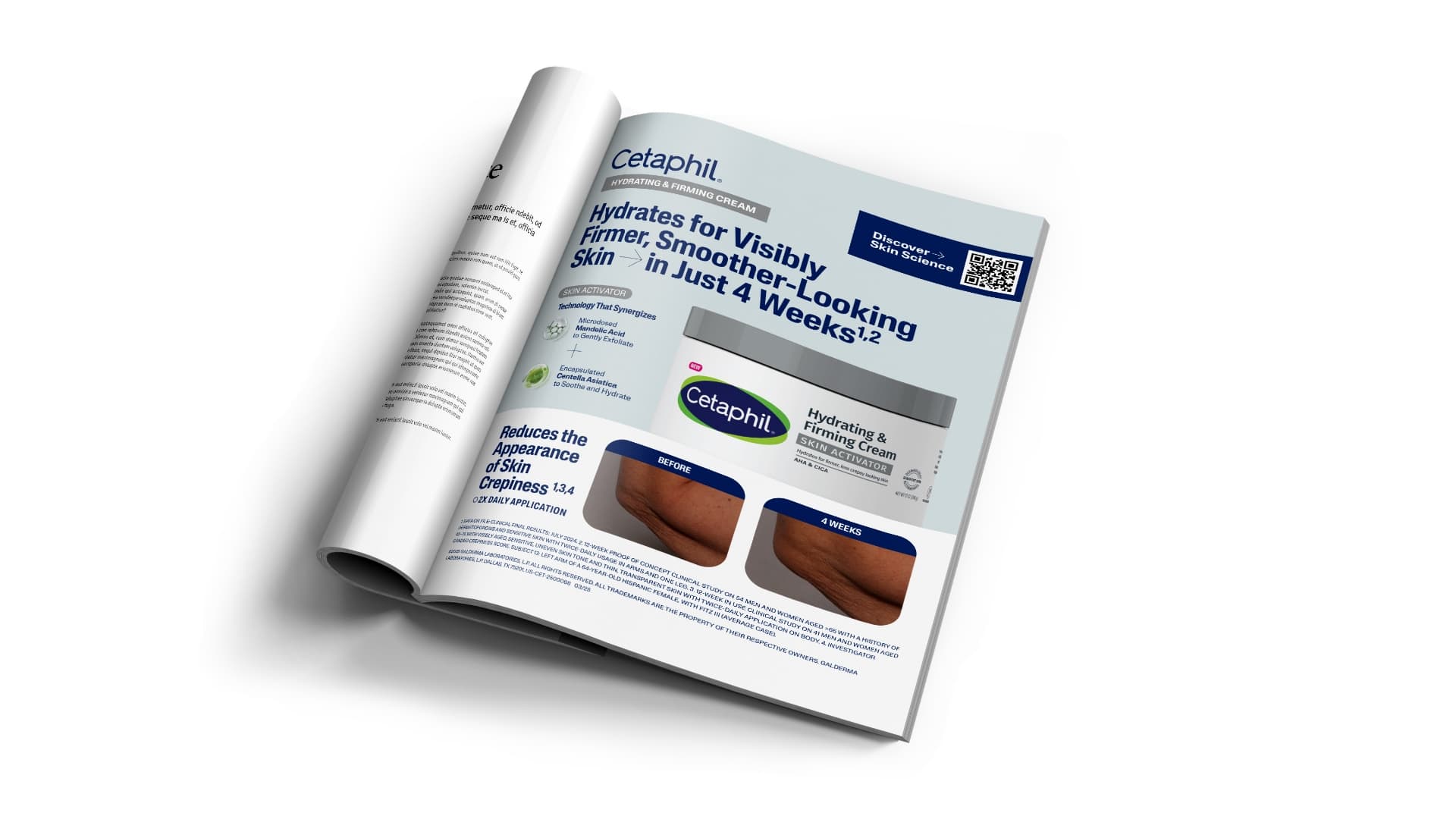
galderma skin activator ad

Goals

  • Educate HCPs and communicate the scientific benefits and mechanism of action of Cetaphil’s SKIN ACTIVATOR Hydrating & Firming Cream.
  • Position Cetaphil’s SKIN ACTIVATOR Hydrating & Firming Cream as a new technology in the market to emphasize its superiority over alternative treatments like lasers or microneedling.
  • Boost consideration and encourage HCPs to consider Cetaphil’s SKIN ACTIVATOR Hydrating & Firming Cream as a recommended treatment for crepey skin.

Strategy

Create a visually compelling and, where possible, sensory journey to educate HCPs on the benefits of Cetaphil’s new SKIN ACTIVATOR Hydrating & Firming cream for the treatment of crepey skin. This educational campaign was brought to life in a few key materials including a provider video, surprise and delight product drop and supporting in-office / sales materials. We focused on highlighting the science behind this new, innovative productive and its proven efficacy in visibly improving skin firmness and texture.

Solution

HCP Educational Video:

The hero of the campaign was a sleek, two-minute provider education video, incorporating a mix of 2D and 3D animations to visually illustrate the product’s dual-action formula. Through dynamic visuals, we showcased how Centella Asiatica and Mandelic Acid work together to activate the skin’s moisture barrier and stimulate surface cell turnover. A confident, informative voiceover guided HCPs through the product’s mechanism, positioning SKIN ACTIVATOR Technology as the superior differentiator in this topical solution for aging, thinning skin.
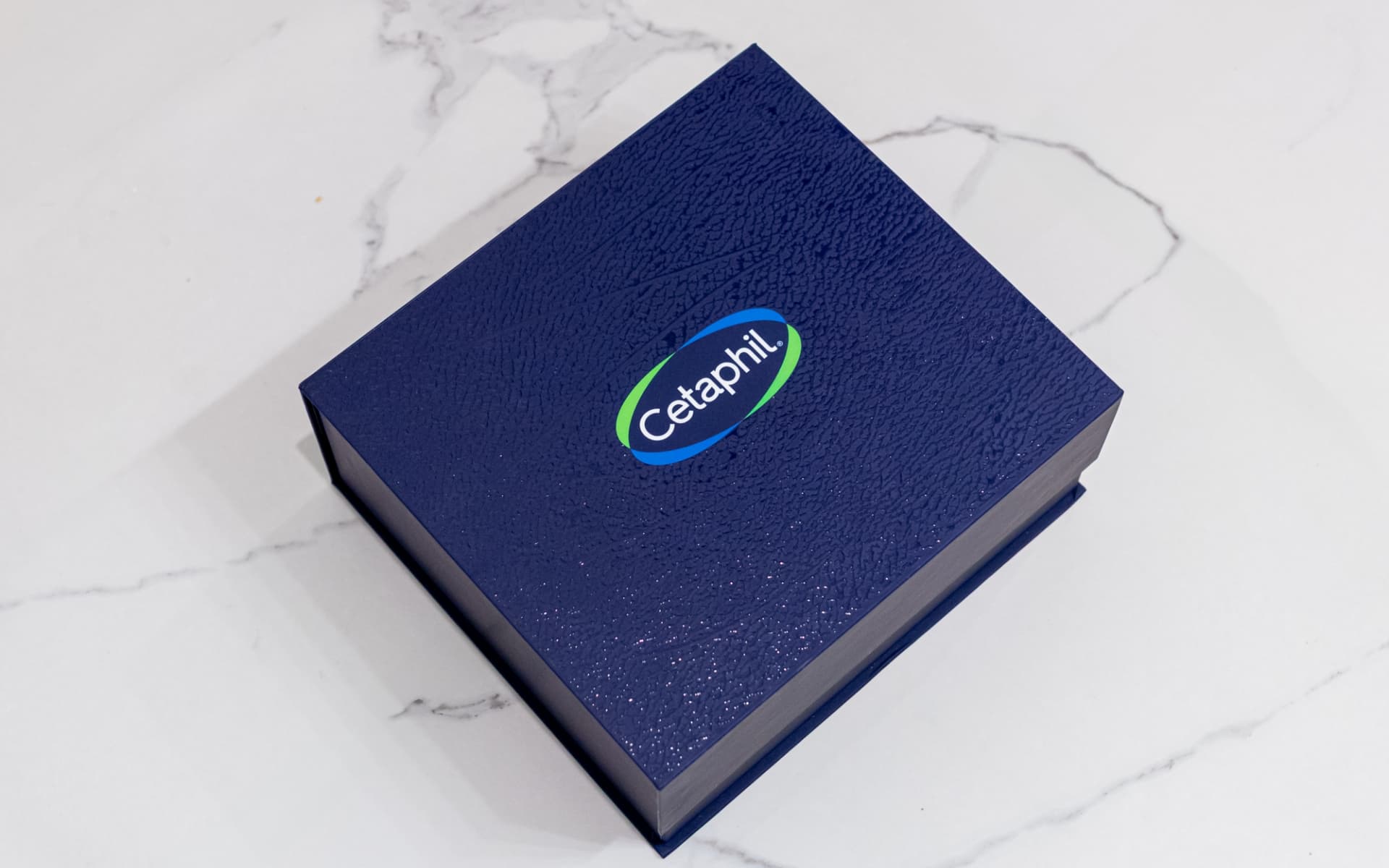
galderma skin activator peak box
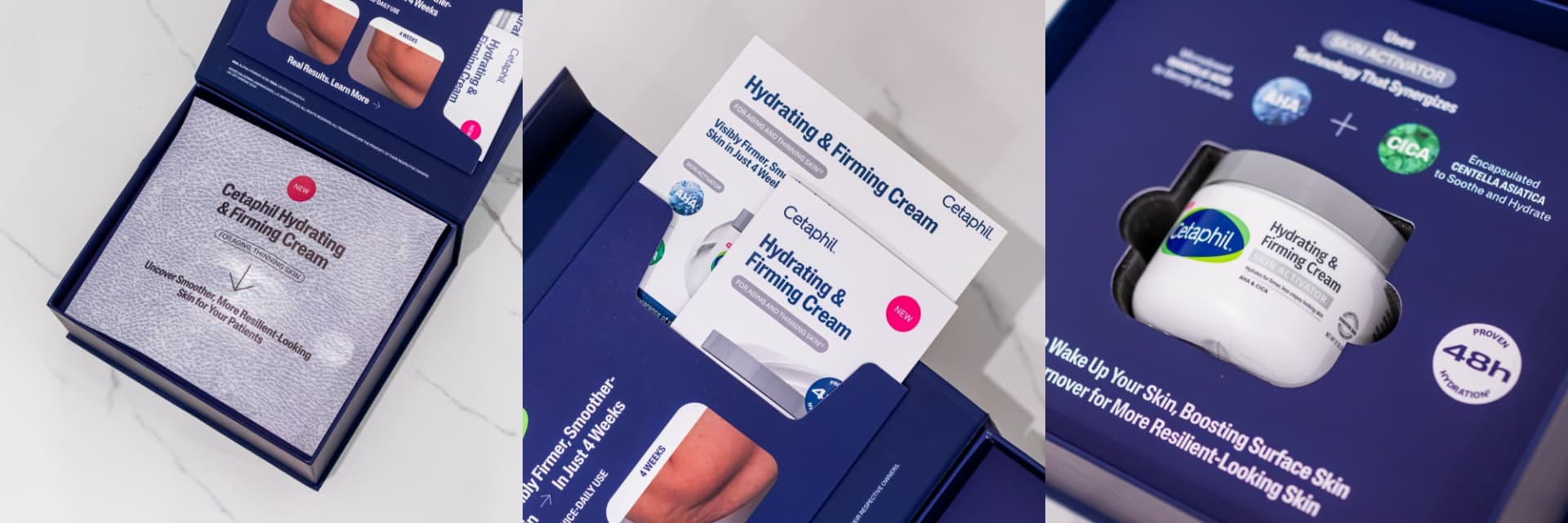
galderma skin activator peak box open

Surprise & Delight Provider Drop:

First impressions are paramount so to leave a strong impression with HCPs, we developed a surprise-and-delight box that not only introduced Cetaphil’s new product but also brought the disease state to life through texture. Simplicity was key, ensuring alignment with Cetaphil’s refined brand guidelines, which prioritize concise and impactful messaging. Since the box contained two additional educational pieces with ample content, our copy was strategically crafted to spark intrigue and excitement, encouraging deeper engagement.

To guide the user journey, we incorporated a functional yet elegant design element—a pocket on the lid—to house additional materials. Thoughtful prompts like “open pocket to learn more” provided clear navigation while maintaining a clean aesthetic. Most importantly, we embraced a sensorial approach, integrating textures that represented the experience of thinning skin. By inviting touch and interaction, the design reinforced both the product’s purpose and its transformative benefits, making the unboxing experience both educational and immersive.
galderma skin activator hcp elements
galderma skin activator hcp elements cream

HCP Supporting Sales and In-Office Materials:

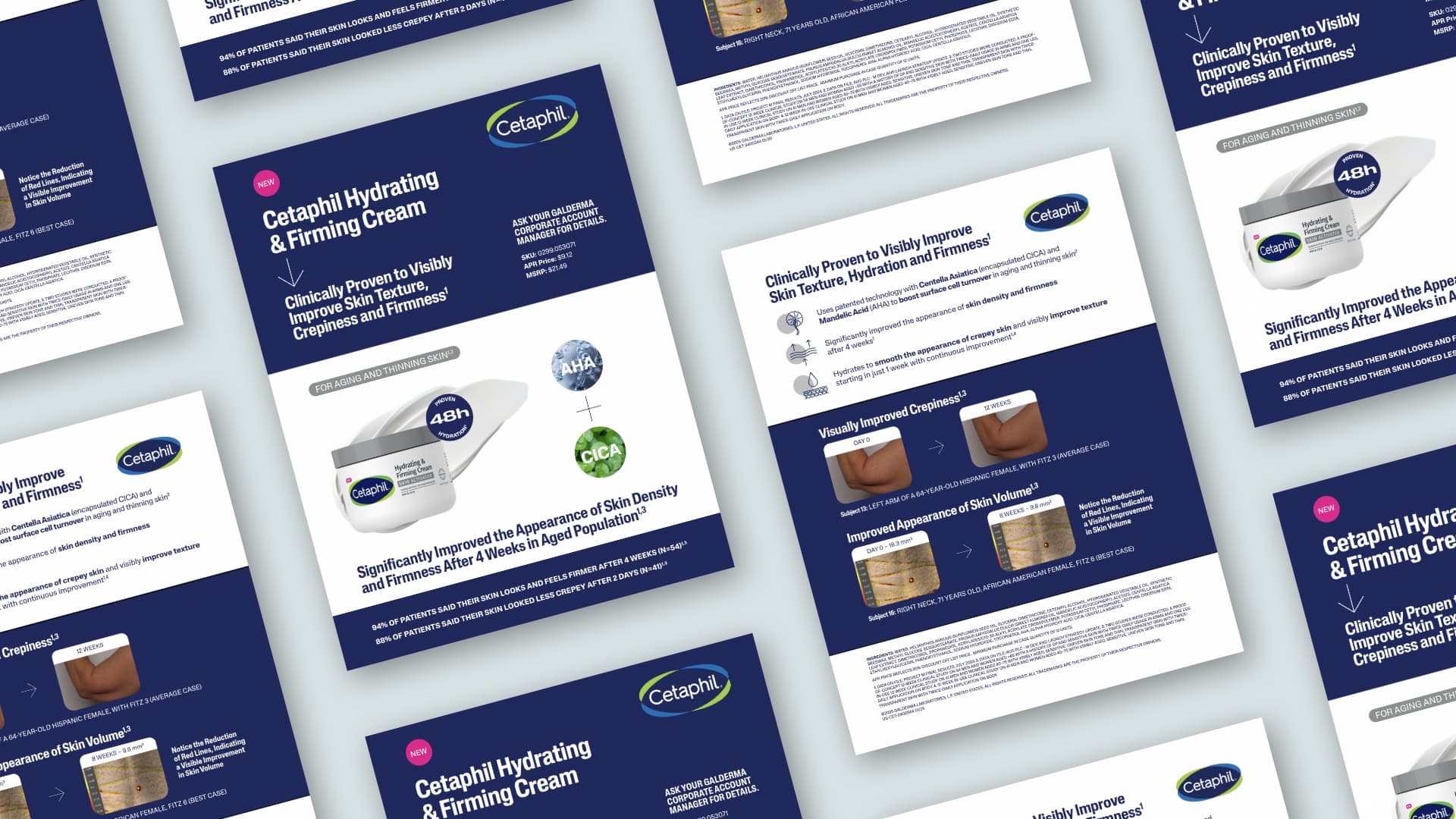
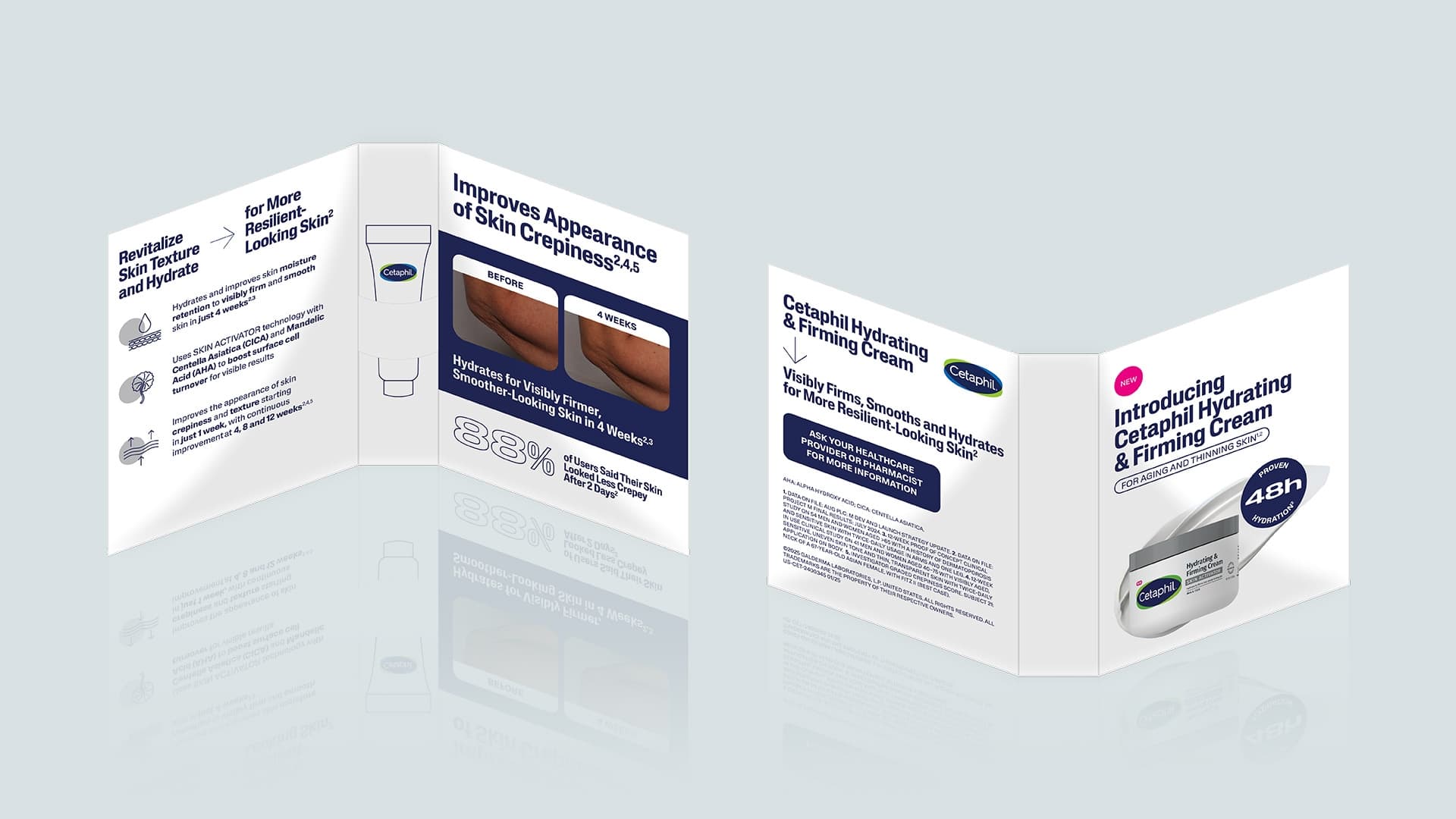
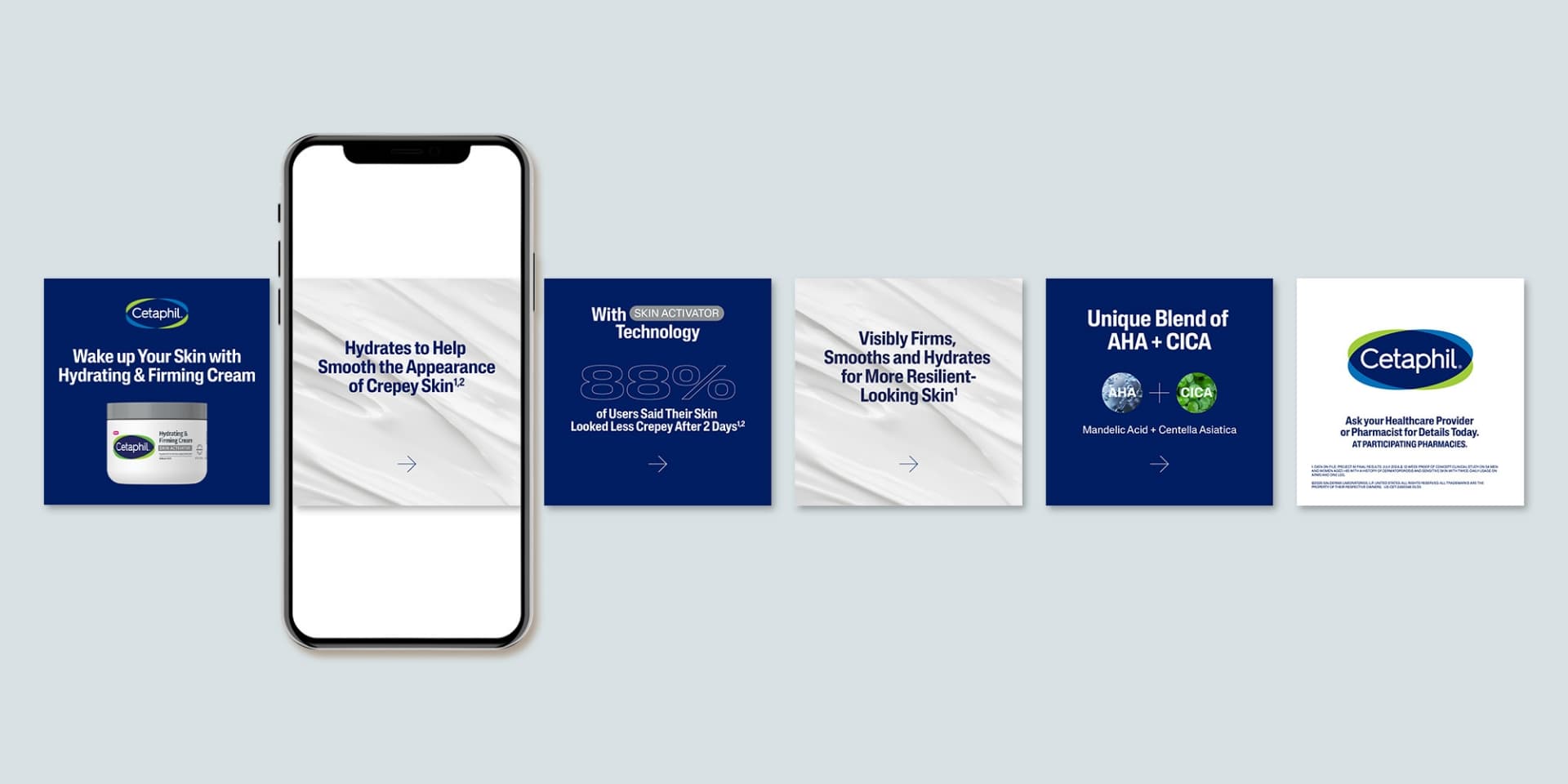
To complement these visually impactful elements, we designed a product sample card specifically tailored for direct dispense dermatologists, alongside a sales sheet and social graphics to bolster in-office educational efforts by the Cetaphil account team. These materials were crafted with a clear focus on the science behind the product, leveraging robust data and detailed clinical results to build credibility and trust. We showcased striking before-and-after images that highlighted the quick and effective outcomes of the product, helping to communicate its immediate impact on patients’ skin health.

We navigated the complexities of demonstrating product efficacy aligned to regulatory guidelines through a clear, yet creative, messaging strategy. The final materials provided a valuable resource for dermatologists and other healthcare providers, helping them make well-informed decisions about introducing this new product to their patients.
galderma skin activator social media

Results

  • Navigated complex compliance regulations to create a clear & compelling message that would resonate with providers
  • Implemented creative, yet cost efficient ways to demonstrate the product’s efficacy leveraging multiple senses
  • With open lines of communication, developed these launch assets within a short, 4-month time frame to ensure sales team readiness.

Summary

By developing a visually compelling and scientifically grounded narrative, we successfully positioned Cetaphil’s SKIN ACTIVATOR Hydrating & Firming Cream as the innovative choice for treating crepey skin. The campaign serves as a prime example of how creative storytelling can drive awareness and consideration within the healthcare market.

​​This case study highlights Schaefer’s commitment to transforming the healthcare experience by creating thoughtful, human-centered solutions that foster meaningful connections between providers and products. By blending education with engagement, we helped Cetaphil deliver a message that resonated on both a scientific and sensory level, encouraging healthcare professionals to consider the transformative potential of the SKIN ACTIVATOR Hydrating & Firming Cream for their patients.
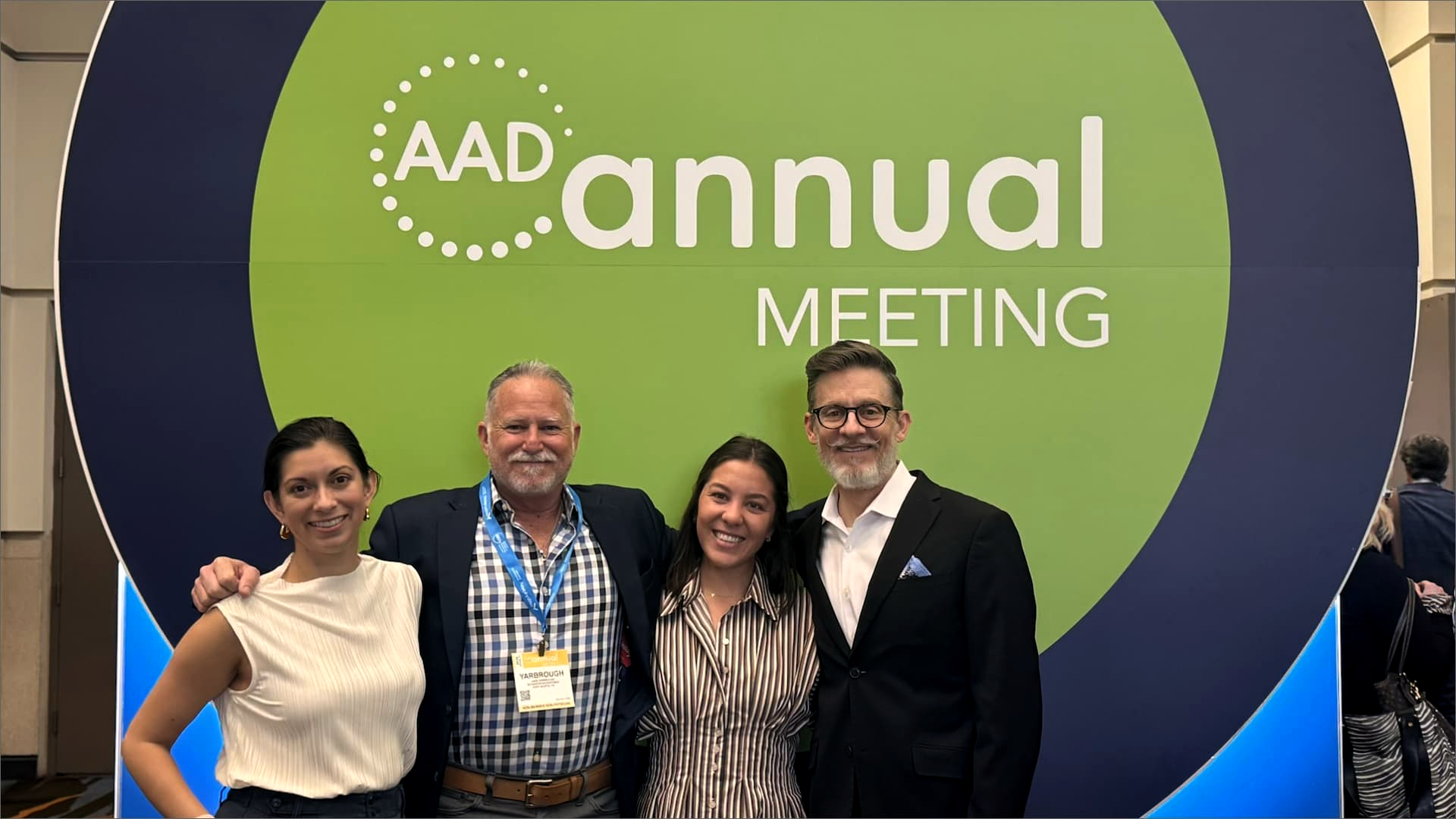
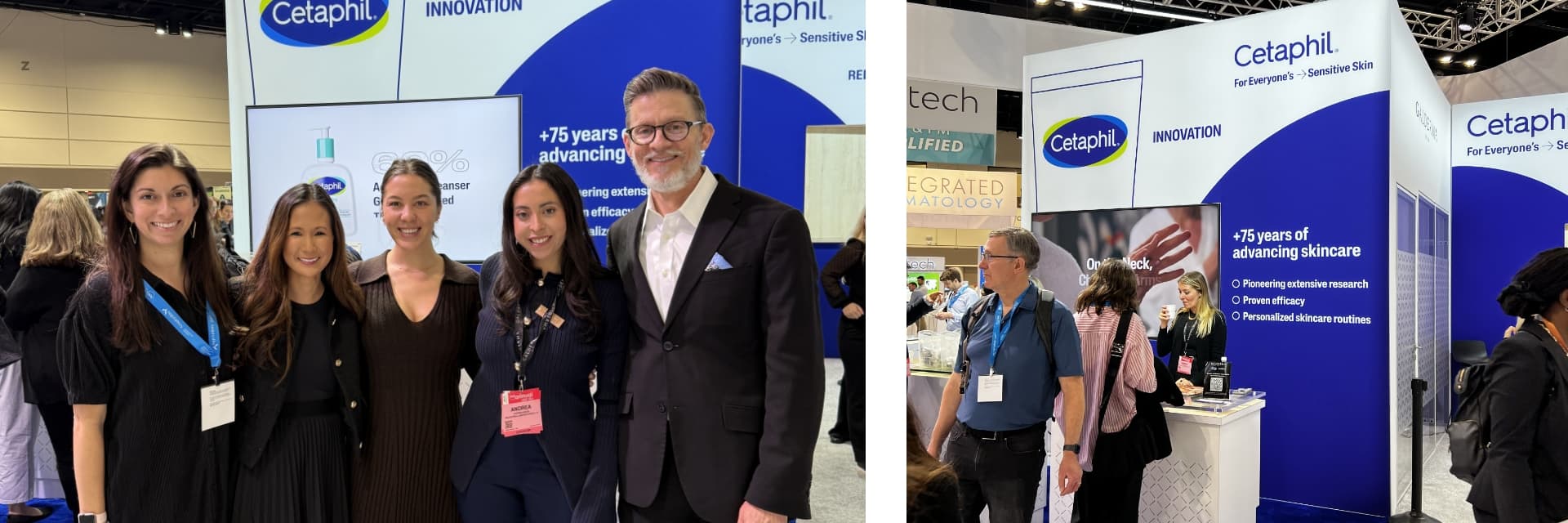
In an industry as dynamic as dermatology, it’s no surprise that AAD 2025 was the biggest conference yet. Thousands of attendees, exhibitors, and industry leaders gathered in sunny Orlando for a high-energy event filled with cutting-edge science, emerging trends, and powerful conversations. Now that the dust has settled, we’re sharing our key takeaways and reflections.

A Presence with Purpose

At Schaefer, we showed up in full force to reaffirm our long-term commitment to dermatology. Over two whirlwind days, we reconnected with longtime partners, discovered the latest innovations, and forged new relationships. But beyond the buzz of the show floor, we led with strategic curiosity—observing both subtle and seismic shifts shaping the field. After all, insight fuels innovation, and here are five key themes that stood out:

1. The Regeneration Race

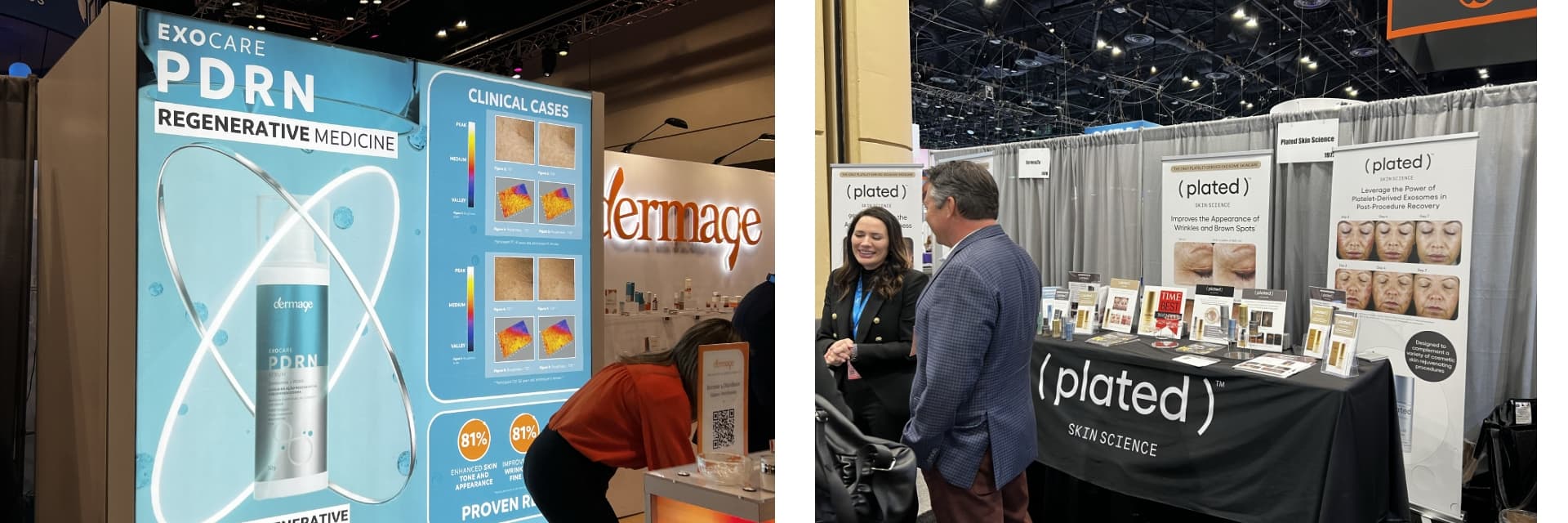
Beyond the industry giants, a growing number of companies are vying for leadership in skin regeneration technologies—particularly exosomes. While clinical data in this space remains sparse, the buzz suggests a major breakthrough could be on the horizon. The question isn’t if, but when someone will unlock meaningful evidence to tap into this category’s massive potential.

2. Elevating Skin of Color Solutions

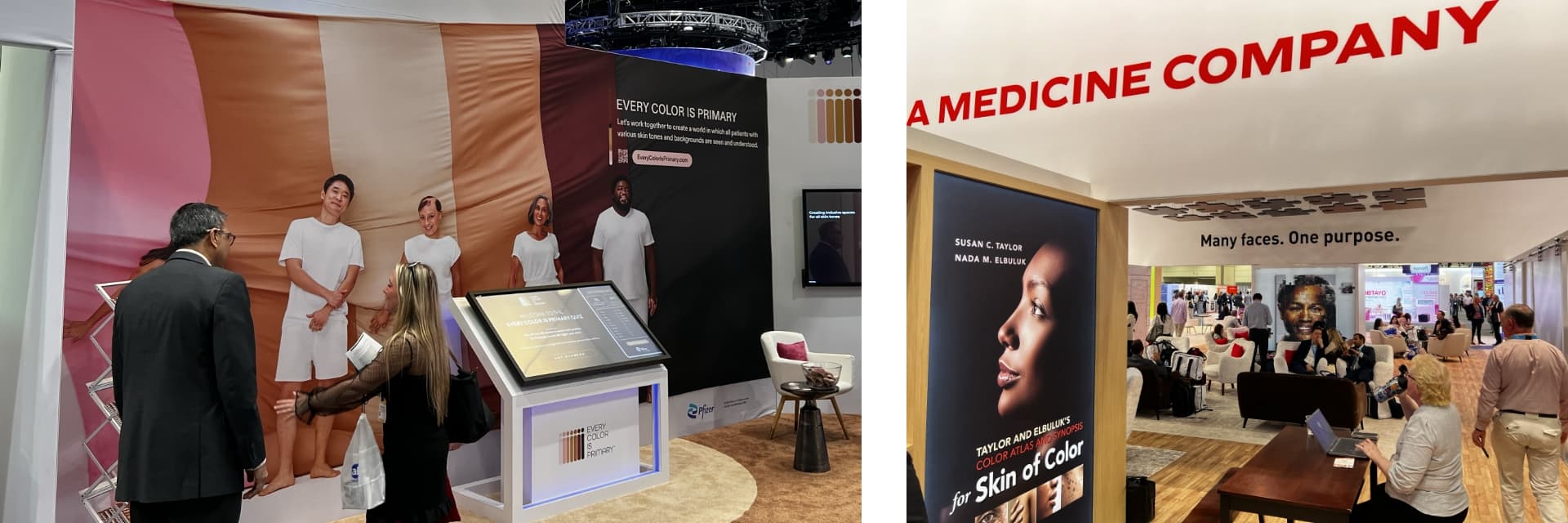
The emphasis on solutions for skin of color continues to mature, with major manufacturers (Pfizer, Lilly among others) driving meaningful conversations. While not a new topic, seeing this priority amplified at AAD after years of industry evolution was noteworthy. Inclusive skincare isn’t just good science—it’s good business.

3. Personalized Diagnostics Take Center Stage

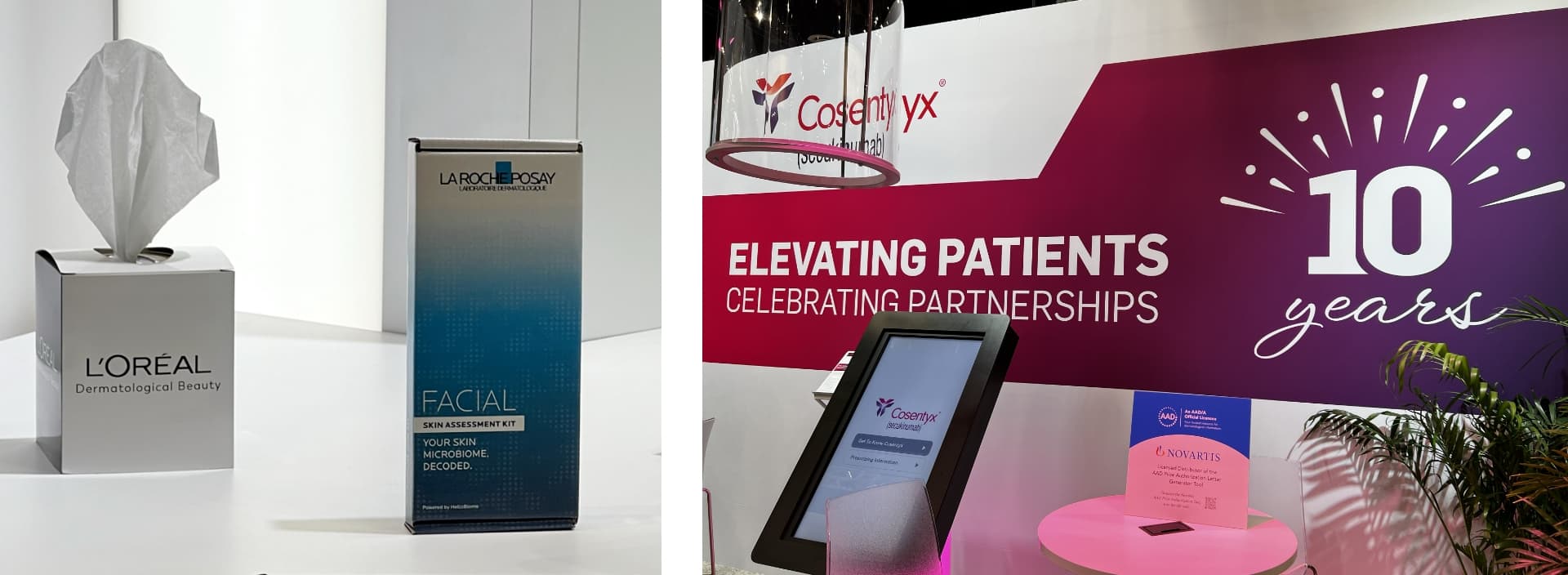
Across multiple therapeutic areas—ophthalmology, oncology, and now dermatology—personalized diagnostic and treatment integrations are surging. AAD validated this trend, with La RochePosay drawing long lines for its personalized swab skin test. The real question is: how will brands leverage these diagnostics to drive long-term patient engagement and loyalty?

4. The Power of Regimen Reinforcement

Muhammad Ali once said, “It’s the repetition of affirmations that leads to belief.” Marketers know that repetition is key to building brand trust, and at AAD, regimen-based messaging was everywhere. Galderma and Cetaphil stood out as strong examples, reinforcing the power of structured skincare solutions to improve patient outcomes.

5. Milestones, Heritage, and Brand Legacy

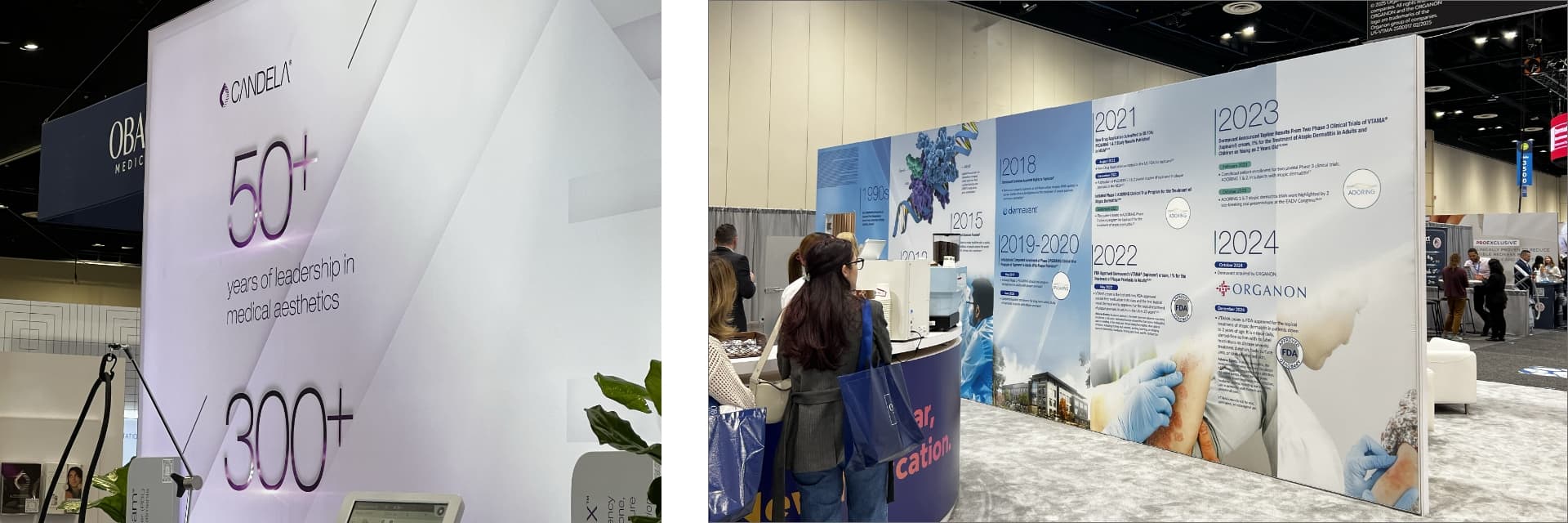
Stepping back from the flurry of new product launches, a compelling meta-theme emerged: brands are leveraging anniversaries and milestones as strategic positioning tools. Among many others, CeraVe showcased its 20-year journey with a museum-style timeline, Cosentyx highlighted a decade of industry collaboration, and Candela celebrated 50 years of leadership. Are these narratives influencing prescriptions and referrals? Are they defenses against startup pressure? Likely, it’s a mix of both—proof that longevity and legacy matter in this market.

Beyond the Surface

More than anything, AAD 2025 reinforced the passion that drives this industry forward. Dermatologists, NPs, PAs, aestheticians, and industry leaders share a deep commitment to improving patient health — and it’s that human connection that fuels real innovation.

At Schaefer, we’re more than healthcare specialists — we’re human specialists. We craft emotional resonance that connects brands with people, ensuring better engagement and, ultimately, better outcomes.

If you’re ready to bring this perspective to your brand, let’s talk.

Developing sales support materials that are on time, on budget — and on the mark.

Situation

Galderma, a leading manufacturer of OTC and prescription skin care products, had developed a new formula aimed at helping teenagers fight acne. The new product’s launch faced two challenges: First, it had a new and unique Mechanism of Action (MOA) that needed to be communicated to dermatologists and other healthcare professionals (HCPs). Second, a limited budget restricted the options that their large global brand agency was able to provide.

Goals

  • Support the new brand launch of Twyneo
  • Distill key product information and prepare highly memorable assets
  • Expand the reach of launch budget by providing better value than larger global agencies
  • Encourage HCPs to write Twyneo for teen acne patients by clearly differentiating the product

Strategy

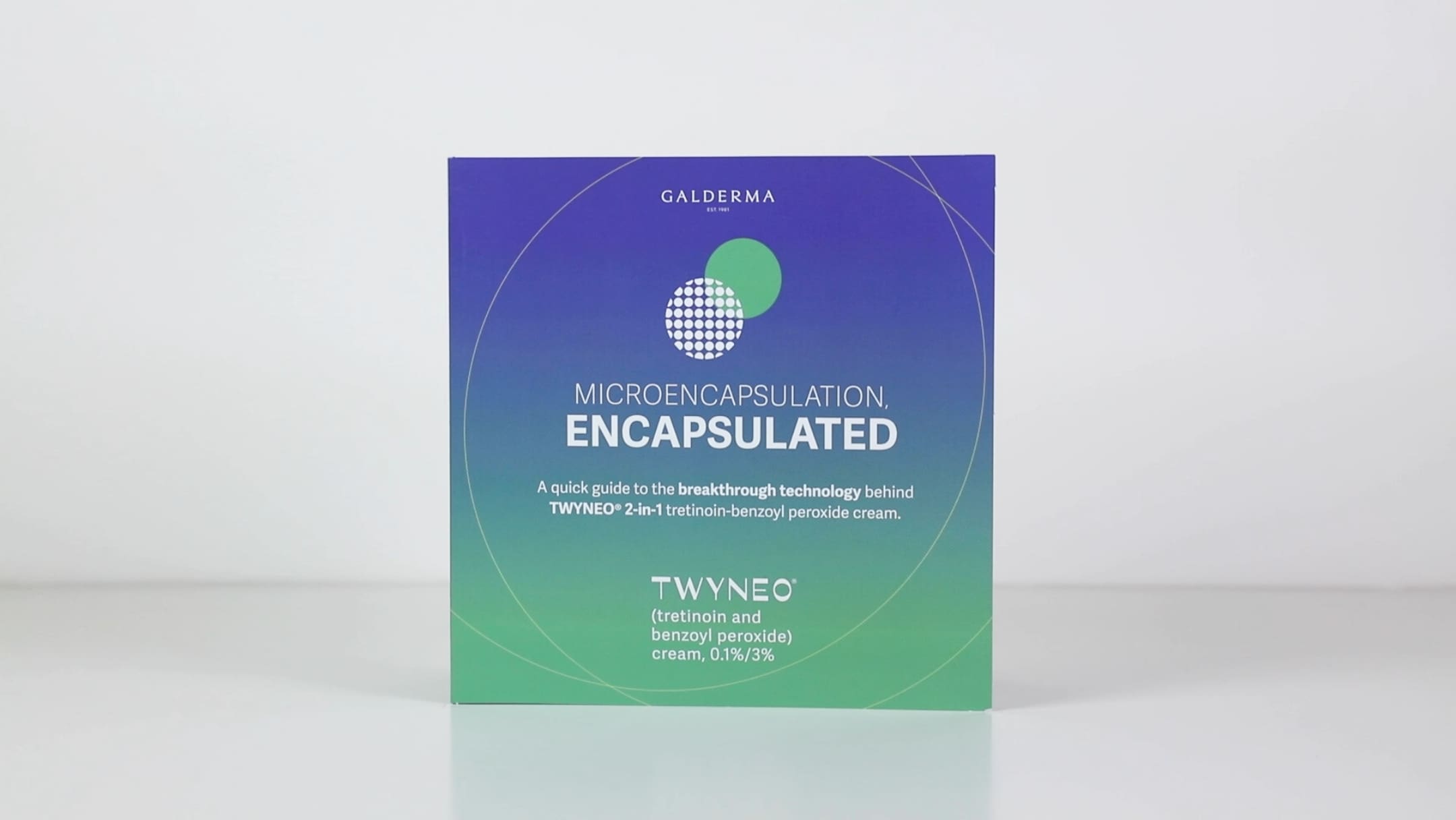
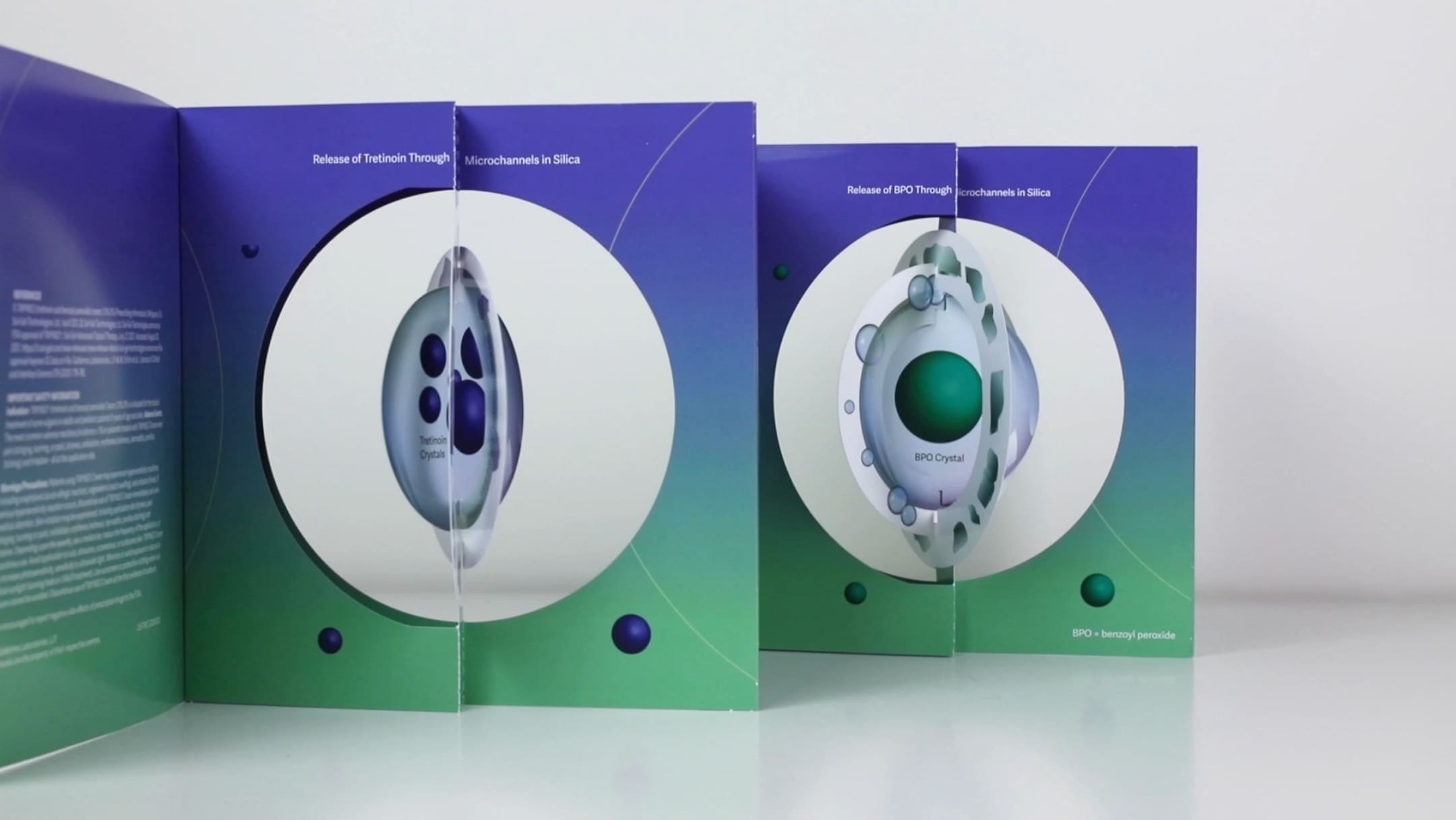
At the core of the product’s efficacy was a microencapsulation technology that combines tretinoin and benzoyl peroxide (BPO). Both molecules have proven efficacy for the treatment of acne but had never before been combined into one formulation. The goal of the initiative was to equip the sales reps with materials that could simply outline and educate how microencapsulation works on the skin, to an audience of HCPs.

Twyneo Sales Aid

Solution

Healthcare professionals tend to be busy people, and the solution needed to communicate quickly and effectively. Schaefer designed a compelling sales aid that used custom die-cut and pop-up images to clearly show how encapsulation worked, and how it set Twyneo apart from other products on the market.

A complementary animated video brought the MOA to life and used Key Opinion Leaders for narration. Schaefer created a visual tool that did the heavy lifting of differentiating the product, while working within the brand’s existing graphic standards.

These effective, engaging sales tools enabled the reps to make a visually compelling case for how this never-before-seen combination of molecules provided HCPs — and their teen patients — with a new solution for moderate to severe acne.

Twyneo Close Up Sales Aid

Results

Working on a tight timeline and narrow budget, Schaefer:

  • Developed a suite of sales resources (innovative sales aid and MOA video) that equipped the sales team for a successful product launch.
  • Highlighted the unique and innovative nature of the new product
  • Supported successful first-year adoption through in-person sales  

Summary

By working within the client’s budget and timeline, Schaefer provided a level of value and quality that extended the client’s budget far beyond the capabilities of a large, global agency. Our “right size” agility and flexibility enabled us to mobilize quickly, and develop distinctive, memorable launch assets that led to a successful adoption curve with HCPs.

Technology permeates every aspect of our lives. It continually reshapes the way we communicate, live, work, and even manage our health. One of the most promising strides in healthcare technology is the pivotal role it plays in improving patient outcomes.

A frequent and long-encountered challenge for both healthcare brands and providers is patient adherence to treatment plans and corresponding medications, actions and lifestyle changes. Creating a habit is difficult for anyone, and adapting to changes in your health journey is no different. Adherence is made even more challenging by the fact that changes are often multi-pronged; a new regimen can include taking medication as prescribed, following dietary recommendations, attending regular appointments, and adopting lifestyle changes. That’s a lot to ask — but it’s also important. The impact of non-adherence is estimated to cost the healthcare industry billions of dollars annually, not to mention impacting the ability to drive optimal outcomes.

Fortunately, there are many things brands can do to improve patient adherence — and many of them involve leveraging technological advancements. Some of our favorite platforms to drive patient adherence are:

  • Patient Engagement Platforms: Web portals with complementing CRM support and, even better, mobile apps/communications are powerful tools in improving patient adherence. In fact, we’ve seen direct success of these tools through simple solutions such as reminders, patient empowerment and progress tracking to encourage patients in taking an active role in their treatment journey.
  • Remote Monitoring and Wearables: Approximately 45% of Americans have a smart watch and a growing number of remote monitoring solutions enter the market each year. With this comes a wealth of patient data that, when handled responsibly, can enable providers and brands to intervene promptly, provide more personalized care and help improve adherence to treatment plans.
  • Virtual On-Demand Support: The “always-on” flexibility of virtual consultations, access and appointments reduces the patient burden for in-person visits. This, in turn, can improve overall accessibility to services. Virtual consultations enable healthcare providers to meet patients in a way that’s convenient for them, which in turn can drive both patient satisfaction and adherence.

Regardless of delivery platform, strategies used to increase patient adherence should remain consistent. Emerging technology makes these strategies more obtainable to healthcare organizations of varying sizes. And, the impact AI will have on expanding opportunity for brands has only just begun. The most promising opportunities we see center around:

  • Personalized Education: Leveraging marketing automation to provide personalized educational content to foster a deeper understanding of the condition and importance of adherence.
  • Continuous Communication: Encouraging patient ownership of their health outcomes through timely inquiries, regular updates and prompt two-way communication to demonstrate commitment.
  • Reminders & Notifications: Harnessing engagement platforms that can automatically guide patients through low-burden (but powerful) nudges about medication schedules, upcoming appointments and critical milestones.
  • Incentives & Gamification: Making adherence an enjoyable experience by offering motivators and tapping into our inherent human desire to be ‘rewarded’ for our efforts.

Technology offers ample opportunity for healthcare brands of all sizes and resource levels to deliver better, more automated solutions to drive patient adherence and increase health outcomes. Schaefer Advertising is no stranger to this challenge and would welcome the opportunity to find the right solution for your organization that drives tangible results. Our team of experienced professionals brings a wealth of knowledge, expertise, and creativity to the table. Contact us today to schedule a consultation.

Effective marketing goes beyond promoting products and services. Customers demand connections with brands on a deeper level with customized, tailored messaging that makes them think ‘this brand is for ME’.

In today’s multicultural society, representation in healthcare marketing is critical to establishing meaningful connections and, ultimately, driving tangible business results. The inclusion of diverse communities must extend across platforms for several reasons:

  • Connecting authentically with the target audience: Healthcare marketing should mirror the diversity of the population it serves. Patient and HCP demographics are not monolithic. They come from various ethnic, racial, cultural, and socioeconomic backgrounds. Tailoring communications to represent these diverse groups ensures that healthcare organizations are reaching their target audiences effectively.
  • Strengthening trust and credibility: Representation helps build trust between healthcare brands and the providers or patients they want to connect with. When individuals see themselves reflected in marketing messages, they feel understood and validated. In turn, that makes these targets more likely to engage because their needs and experiences are acknowledged.
  • Springboarding growth for the common good: By directly addressing appropriate representation, we can allude to or increase awareness of healthcare disparities that may exist in our communities. This simple act of inclusion demonstrates the commitment to eliminating gaps in care and working towards equitable healthcare access and outcomes.

Of course, it’s unrealistic to assume that every brand has the resources to develop hundreds of personalized messages that include everyone in their target audience. At Schaefer, we frequently help clients deploy effective strategies to strike the balance between limited resources and representative communications. Those strategies include:

  • Start with language accessibility: Consider the preferred or native languages of your target audience. Let that guide your message, and even your platform. Move beyond direct translation of materials, and into transcreation, delivering a culturally relevant message that truly speaks your audience’s language.
  • Consider overall patient health literacy: Effective communications always begin with tailoring a message to meet audiences where they are. In the case of health literacy, understand the overall level of patient comprehension and ensure your materials are built appropriately. Break down complex medical procedures or MOAs into simple, digestible components. Use analogies to explain procedures or complex ideas in a clear, relatable way.
  • Harness the power of data: Leverage your existing customer data or turn to partners to help identify audience behaviors and preferences. Leverage the power of marketing automations, chatbots and other data services to create more customization at scale.
  • Leverage visual representation: Imagery will continue to be one of the strongest drivers of emotion and connection. Expand diversity in your imagery beyond just ethnicity to include age, body makeup, ability and more. Explore the flexibility that illustration can provide in delivering representation at scale.
  • Gather insight from your patient/HCP base and community organizations: Actively listen to the patients, HCPs or communities you’re targeting, so that you can better understand their needs, challenges and motivations. Learn what they really want from your brand and apply those learnings to create tailored messages that allow you to build more meaningful relationships.
  • Utilize testimonials and existing customer stories: Let your customers tell their own stories and share their direct experiences with your brand. Their stories are one of the strongest ways to humanize your brand and create relatability with a broader audience.

Representation in healthcare marketing is not just about meeting diversity quotas. It is about recognizing, celebrating and respecting the unique qualities of your diverse target audience, and intentionally deploying a messaging strategy that meets them where they are. By embracing representation and diversifying communications, healthcare brands can establish valuable connections, build trust, and ultimately provide more personalized and inclusive care.

At Schaefer Advertising, we understand the significance of representation in healthcare marketing. Our human-first approach focuses on diversifying communications to connect with your audiences more effectively. Through data-driven insights we can help your brand deploy inclusive strategies that deliver on your organizational goals. Contact us today to learn more about our patient-centered solutions and how we can assist you in creating impactful healthcare marketing campaigns.

It feels like just yesterday that the world shut down at the beginning of the COVID-19 pandemic. While that initial panic is now three years behind us, we’re just beginning to understand some of the long-term impacts and implications for the healthcare marketplace.

As the dust settles, healthcare marketers are asking important questions:

  • What changes were temporary reactions to extraordinary events?
  • What are the key changes that will forever alter the landscape of healthcare and patient care?

While the jury is still out in many areas, one thing is clear: Patient expectations are radically different than they were 36 months ago, particularly in two key areas: access and reimbursement.

In this new environment, the most successful services, products and procedures are the ones that understand that access plays an increasingly critical role in driving adoption, adherence and outcomes. As a result, many companies are paying greater attention to a previously overlooked aspect of product launch — ensuring access and fair reimbursement.

There has never been a time where access hasn’t mattered. However, in the past, it was not ranked as high on many strategic imperative lists as it is in the current environment. Today, perspective around payors has become more top-of-mind for brand marketers.

U.S. surgeons are seeing reimbursements erode rapidly in many product categories. For example, cataract surgeries and minimally-invasive glaucoma surgery (MIGS) are just two procedure areas where RVUs are shifting and causing a downward adjustment for what used to be a more lucrative visit. And in markets outside the U.S., the path to a formulary is circuitous at best.

For many clients (both in and out of the ophthalmic space), we are seeing greater emphasis on proactively managing the access/reimbursement conversation. Although all medical professionals are focused first and foremost on patient outcomes, the business of delivering care must make sense economically for all parties. Developing a brand narrative that considers the access story is more crucial than ever.

In fact, in a recent MM+M survey, executive leadership notes that resource allocation toward communicating with the payor audience remains flat YoY. Yet, 54% also acknowledge that pressure from payor and managed care organizations keeps them up at night.

Unfortunately, more often than not, companies continue to struggle with finding ways to improve patient access. This is due to a combination of internal and external factors. There are certainly complex macroeconomic influences that govern this dynamic. However, in order to achieve the outcomes our drugs and devices are designed to provide, any solid omnichannel plan must consider the way we communicate value along all points of the continuum.

How can you adjust your marketing strategy to strengthen your access messaging? H.L. Mencken famously said, “For every complex problem there is an answer that is clear, simple, and wrong.” So at the risk of falling into that trap, allow us to share some fundamental tips and insights around strengthening your access story:

  1. Re-examine the data. If you’re in the later stages of product development, or even in post-launch, take a fresh look at the data the brand has generated to date. The fundamentals of strong clinical evidence remain table stakes — not just for product approval and HCP messaging, but for supporting an access story, too. Create focused messaging that communicates the value your data represents for payors.
  2. Start with a holistic data plan. If launch is several years away, consider developing a pre-launch plan that delivers compliant, valid evidence for the entire value chain, rooted in a comprehensive patient outcomes story. In the post-Covid era, we have observed that a tighter alignment in this area can lead to better results for everyone.  
  3. Diversify the story across multiple audiences. Don’t rely on strength in numbers. A healthy mix of all stakeholders — including patients, providers and payers — is critical to lifting all efforts. Message delivery cannot be one-size-fits-all; proactively communicate with each audience in a way that may influence the others to act.

Ultimately, there is power in proving that your brand not only offers a great solution, but a great solution for that individual patient that also makes sense to all stakeholders. The future of healthcare relies on the inter-related dynamics of payor, provider and patient. In an age of confident and empowered patients, the companies that understand these motivations and take action on them will be the winners.

If you are looking for a partner that can help you harness your patient access strategy, talk to Schaefer Advertising. Our team of experienced professionals brings a wealth of knowledge, expertise, and creativity to the table. To discuss the challenges and opportunities that lie ahead for your company and its products, contact us today to schedule a consultation.

Using Illustrations to Connect with Diverse Audiences

As healthcare marketers, we all know how challenging it can be to convey complex concepts in a way that resonates with a diverse audience. Whether we’re speaking to patients, healthcare professionals or other stakeholders, it can be difficult to create a message that connects with people of all cultures, ages and backgrounds. 

UNTHSC Campaign Advertising

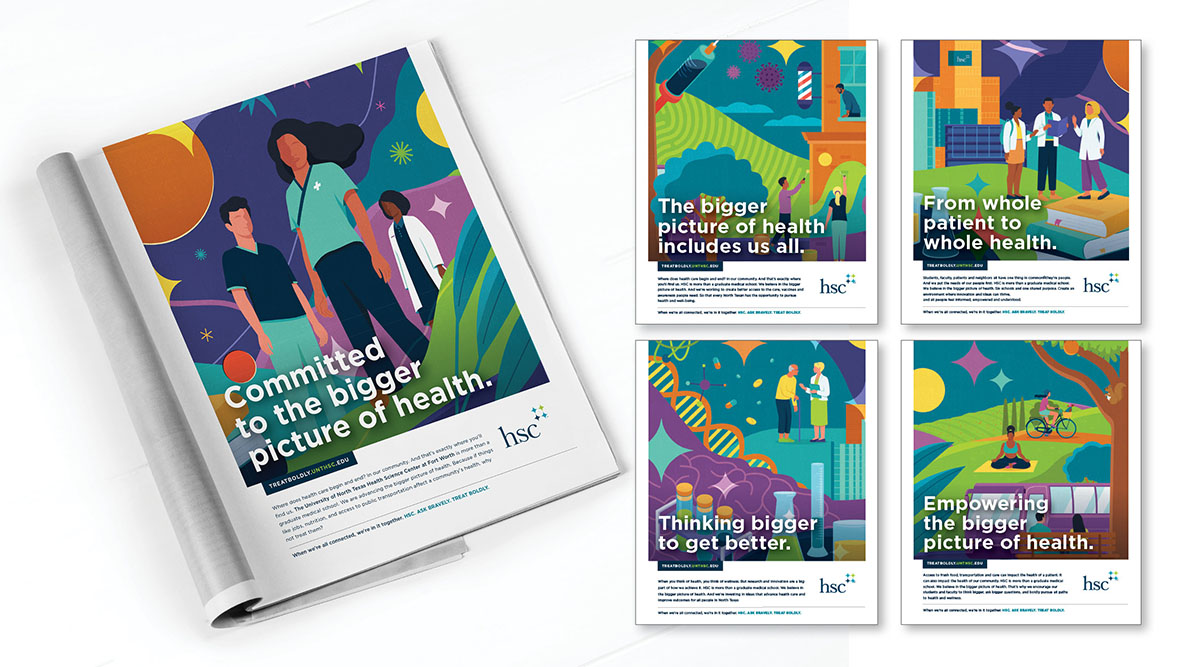
At Schaefer, we’ve found that illustration can be an effective means of broadening the appeal of a message, while also conveying a clearer understanding of the brand’s mechanism of action (MOA) and differentiating features. When we step away from the clinical aspect and think about emotions, we find that illustrations can help brands connect with the reader on a deeper level:

  1. Illustrations break down complex medical concepts, procedures, or treatments into easy-to-understand visuals. This makes your message more accessible to a wider audience, regardless of their background, education or level of medical knowledge. 
  2. Illustrations also have the ability to tap into emotions by creating a visceral connection with patients, helping to build trust, empathy and approachability. 
  3. Using illustrations to showcase people living with disabilities, chronic illnesses, or mental health conditions can help reduce the fear or stigma surrounding them. This type of advertising not only educates, but also helps patients overcome their reluctance to seek help when they need it.
Omni Surgical - Go for Three

In addition to reaching people on a more human level, the Schaefer team has found a number of occasions when illustrations solved particular strategic or tactical goals. 

For example, when we needed to evolve positioning for an ophthalmic surgical device, we settled on an approach that used an illustrated metaphor. This technique allowed ophthalmologists to see themselves in the role of making the game-winning shot in the competition for efficacy. This helped the client rapidly propel from startup to the #2 position in their market. 

myForte App

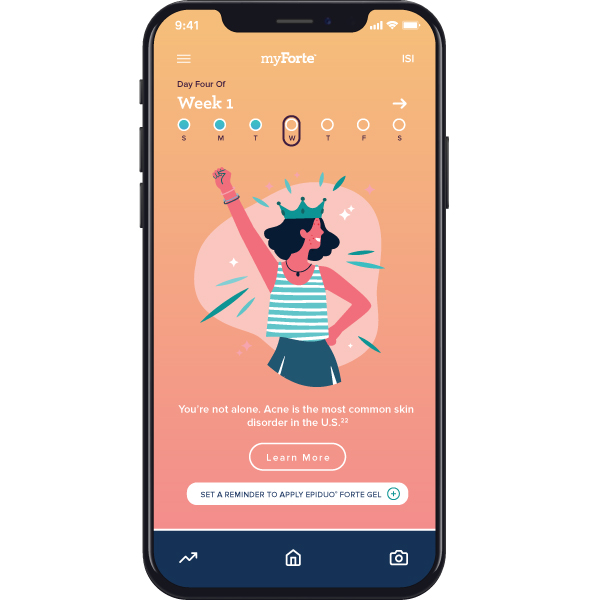
In another case, a popular acne treatment wanted to optimize outcomes by using an app to improve adherence. We employed gender and skin-tone neutral illustrations to drive engagement. As a result, the app saw more than 90,000 downloads and a 40% return use rate. By effectively appealing to a broad and diverse audience, illustration helped humanize the brand and boost adherence. 

Illustration can also provide a more affordable — and practical — alternative to traditional photo shoots. This was true in a case involving an academic institution that wanted to embrace diversity in their marketing. Illustration allowed us to appeal to a wide range of cultures, ages, and backgrounds. It also provided the flexibility and agility to change things quickly and react to our client needs.

Clarifying a message. Breaking down demographic barriers. Removing the stigma from an illness. Building trust and empathy. In the end, it’s all about humanizing healthcare. 

When you communicate on a more human level, your message resonates more effectively. At Schaefer, we’ve found that illustration is a great way to forge a deeper bond with patients, professionals and the general public, and connect with them in more meaningful ways.

February 9, 2021

Let’s chat about adherence

The changing global landscape is driving more and more patients to seek options for remote care. For Epiduo® Forte Gel, the changing healthcare environment opened up an opportunity to create a compelling, digital way for them to understand their acne treatment options. In order to strategically position Epiduo Forte Gel ahead of its competitors, a chatbot was implemented on the brand’s website that encourages patient engagement and prescription adherence through medically and legally compliant content.

Goals

  • Motivate patients to ask their doctor for a first-time Epiduo Forte Gel prescription
  • Encourage prescription adherence
  • Cultivate increased web audience engagement with the target audience: teens that suffer from acne
  • Differentiate Epiduo Forte Gel in the competitive acne market

Chatbots in Healthcare

Chatbots present an excellent opportunity for healthcare brands to maintain healthy communication with patients. Market-wide, there are just over 1 billion searches for health information performed on Google daily, and 20 million patient and HCP digital conversation sessions per day, according to Google Health. Put simply, there is a growing market to provide patients a digital avenue for quick text conversations to understand vital information about their options. Furthermore, chatbots allow patients to quickly get the information they need and greatly reduces the time needed for a human to handle any given query, saving countless hours and thousands of dollars year over year. 

Our Role

Beyond implementing the new chatbot, we also provide ongoing chatbot metrics (or measurement) to gain better patient insights that help us better communicate with patients. By monitoring chatbot engagement, we are able to personalize the patient experience, improve the conversation streams and identify more opportunities to increase patient engagement.

The Conversation Tree of Conversion

When we began developing the Epiduo Forte Gel chatbot, we knew that it had to maintain compliance before it would ever get off the ground. So, we partnered with Conversation Health, a conversational AI platform that is purpose-built for the life sciences industry and sets the standard in terms of accuracy and compliance with medically-trained taxonomies, data sets, NLP and technical stack. Together, we worked to create a button-driven chatbot that adhered to appropriate parameters, a challenge many free text-based bots face when it’s time for legal/compliance review. 

We designed the in-bot conversation around two key paths of the prospect funnel. At the top, general acne education and awareness. At the bottom, Epiduo Forte Gel education and follow-up consultation with a healthcare provider. This allowed us to gently move a prospect down the funnel from awareness to action regardless of their stage in the lead nurturing process.

Results

  • 5,000+ engagements in Q4
  • More than 1,100+ unique sessions in Q4
  • A majority of users opted in to provide feedback via a survey following bot usage
  • Most users rated the app usefulness as 5 out of 5 
  • More than 72% of users indicated they would speak with their doctor about Epiduo Forte Gel

Looking Ahead

Chatbots are here to stay – in healthcare, entertainment and countless other industries. As utilization continues to grow, they will play a vital role in lead generation. This mechanism will also facilitate important doctor-patient conversations and shift valuable time that would otherwise be spent in patient care. The Epiduo Forte Gel chatbot continues to engage more patients with acne education and encourages prescription compliance and adherence every single day.

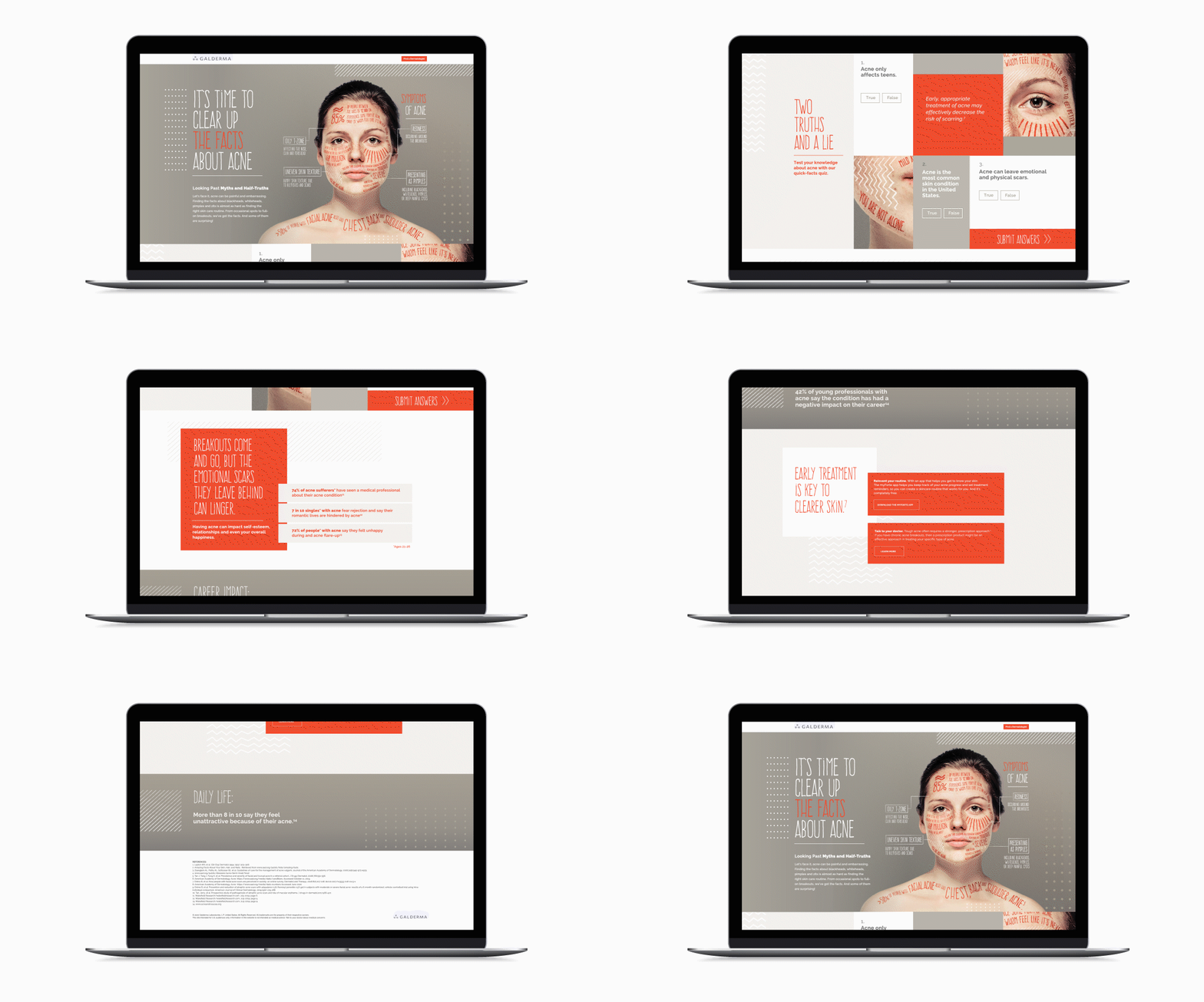
Acne is the most prevalent skin disease in the United States, yet most of us don’t see the struggle that happens beneath the surface. For Acne Awareness month, our client – a major global pharmaceutical manufacturer –  wanted to educate the public and healthcare providers about the unseen emotional realities of acne.

We created an unbranded educational campaign with the goal of combining the data and the human element to show people with acne that they are not alone and empower them through a sense of community. Beyond educating the general public, it was important to connect healthcare providers to the patient experience. By showing them the daily struggles of people with acne, healthcare providers can begin treating acne beyond the surface and focus on healing the individual in full.

The result is a powerful campaign that brings a silent battle to the surface and shows people struggling with acne that they are not isolated with their feelings.

Most prescription savings cards cover a narrow scope of treatments, which overcomplicates the savings process. As a result, patients are often left confused about how to redeem savings and may end up actually paying more for their prescriptions. Discounts change frequently and branded products are not always covered, leading to patients and providers losing confidence in the cards and programs themselves.

Galderma CareConnect is a patient savings program that consolidates Galderma’s prescriptions into one savings portal that’s accessible for patients and “Remarkably Simple” to use.

Goals:

  • Build awareness of the savings program among qualified patients.
  • Make the program easier to access for patients.
  • Inform more potential patients about their eligibility for the program.

Strategy & Execution

Schaefer led the Galderma CareConnect launch with a few key strategic imperatives: communicate the scope of Galderma prescriptions covered under the program and quickly build awareness of the program among patients, healthcare providers, and pharmacists. We developed a comprehensive, multi-channel campaign around the tagline “Remarkably Simple.” This included traditional advertising, digital ads, video, paid digital media, display targeting, customized email marketing as well as personal and non-personal sales support.

Connecting Patients with Care

At the core of this comprehensive campaign was GaldermaCC.com, a centralized location for information about the savings program. The site was strategically developed to communicate key information to each of our core audiences:

  • Patients – Information about savings, ease of use and a great opportunity to quickly download a GCC card.
  • Healthcare Professionals – Key points to share with their patients when prescribing Galderma products, information about pharmacy access and a portfolio of products on the card.
  • Pharmacists – Information about patient eligibility.

The website follows a clean design and user-friendly navigation to make the user experience just as “Remarkably Simple” as the Galderma CareConnect program itself. In addition, the website utilizes a seamless API to connect directly with the card provider, so that a unique card can be generated in just seconds when the user chooses to download.

By making this direct connection, we are able to utilize technology and data to measure card redemption rates at pharmacies across the country and measure the success of marketing campaigns in market.

Results

  • In less than two years, Galderma Care Connect site metrics have steadily climbed month after month.
  • To date, Galderma Care Connect has reached more than one million unique patients.
  • As of June 2019, more than 3 million prescriptions have been processed through the Galderma Care Connect portal, saving patients, healthcare providers, and pharmacists valuable time and money.
  • MM&M Gold Award for Best Payer Marketing.

Make Life Better

Navigating healthcare can be a confusing process for patients and even some healthcare providers. By creating the Galderma CareConnect website, we were able to help more people download a patients’ savings card and connect them with more affordable care.